Download our digital business card today!

https://mytt.ag/dlgryoocc

What is the average lifespan of an HVAC? This is a common question Addison homeowners ask when their heating and cooling system starts to show signs of age, higher energy bills, or more frequent repairs. On average, an HVAC system lasts between 15 and 25 years, but the exact lifespan depends on the type of equipment, how often it runs, and how well it is maintained. Some components may fail earlier, while others continue operating for decades with proper care.
Understanding how long HVAC systems typically last and what affects their longevity can help homeowners plan ahead and avoid unexpected breakdowns.
Average Lifespan of HVAC System Components
An HVAC system is made up of multiple components that do not always age at the same rate. Knowing the typical lifespan of each part helps homeowners better understand the overall picture.
Furnaces
Gas furnaces generally last between 15 and 20 years. With proper installation and regular maintenance, some furnaces can reach the higher end of this range. Electric furnaces may last slightly longer due to fewer combustion components.
Air Conditioners
Central air conditioners typically last 12 to 17 years. Heavy summer usage, lack of maintenance, and refrigerant issues can shorten this lifespan.
Heat Pumps
Heat pumps usually last around 10 to 15 years. Since they run year round for both heating and cooling, they experience more wear than systems that operate seasonally.
Ductwork
While ductwork can last 20 to 30 years, leaks, poor design, or insulation issues can reduce system efficiency long before ducts fail structurally.
What Factors Affect HVAC Lifespan
Several key factors determine whether an HVAC system reaches its full expected lifespan or fails early.
Installation Quality
Proper installation is critical. Incorrect sizing, poor airflow setup, or improper venting can cause excessive strain on components, leading to early failure.
Maintenance Habits
Annual professional maintenance and routine filter changes significantly extend system life. Systems that are never serviced tend to fail much sooner.
Usage and Climate
Homes in colder climates like Addison rely heavily on heating systems during long winters. Increased runtime leads to more wear on components.
Airflow and Filtration
Dirty filters and blocked vents restrict airflow and force the system to work harder, accelerating wear.
System Efficiency
Older systems operate less efficiently and must run longer to maintain comfort, which shortens lifespan over time.
Signs Your HVAC Is Nearing the End of Its Lifespan
As HVAC systems age, they often show warning signs that replacement may be approaching.
Common signs include:
-
Rising energy bills with no change in usage
-
Frequent repairs or breakdowns
-
Uneven heating or cooling
-
Poor airflow from vents
-
Unusual noises or odors
-
Difficulty maintaining the thermostat setting
When multiple signs appear at once, it often indicates that the system is nearing the end of its useful life.
How Maintenance Extends HVAC Lifespan
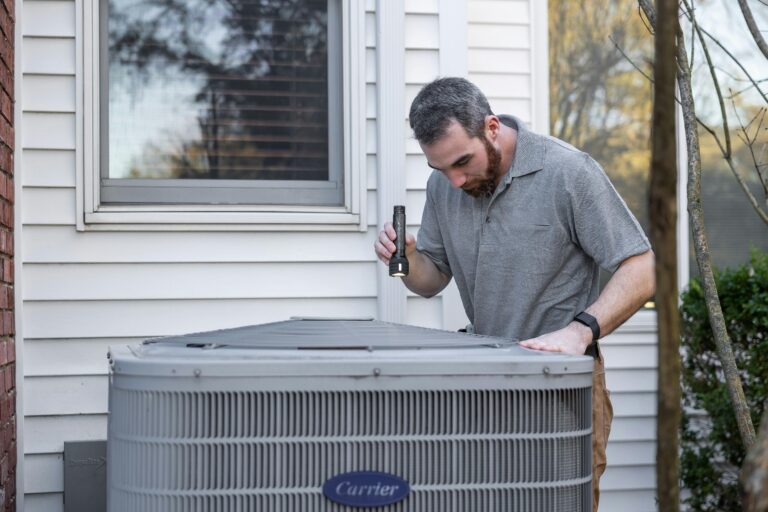
Routine maintenance is the most effective way to extend the life of an HVAC system. During annual tune ups, technicians clean components, inspect electrical connections, check refrigerant levels, test safety controls, and identify early signs of wear.
Maintenance benefits include:
-
Improved efficiency
-
Fewer emergency repairs
-
Lower energy costs
-
Extended equipment life
-
Improved indoor comfort
Addison homeowners who schedule yearly maintenance often get several extra years out of their HVAC systems.
Repair vs Replacement Considerations
As HVAC systems age, homeowners must decide whether to continue repairing or invest in replacement.
Repair may make sense when:
-
The system is under 10 to 12 years old
-
Repairs are minor and infrequent
-
Energy bills remain reasonable
Replacement is often the better option when:
-
The system is over 15 years old
-
Repairs are frequent or expensive
-
Efficiency has declined significantly
-
Comfort problems persist
A-Perfect Climate helps homeowners evaluate these factors and make informed decisions based on long term value.
Benefits of Replacing an Aging HVAC System
When replacement becomes necessary, homeowners often experience immediate improvements.
Benefits include:
-
Lower monthly energy bills
-
More consistent indoor temperatures
-
Improved humidity control
-
Quieter operation
-
Fewer repair calls
-
Increased home value
Modern HVAC systems are designed to meet higher efficiency standards and deliver improved comfort compared to older models.
Final Thoughts
The average HVAC system lasts between 15 and 25 years, depending on the type of equipment, usage, and maintenance history. Furnaces and air conditioners may age differently, but regular maintenance plays a major role in extending system life. As systems approach the end of their lifespan, rising energy bills, frequent repairs, and comfort issues often appear.
Homeowners in Addison, IL can rely on A-Perfect Climate for professional inspections, honest evaluations, and expert guidance on whether repair or replacement makes the most sense.
Call A-Perfect Climate today to schedule an HVAC inspection in Addison, IL.
Read the FAQ: What is the average lifespan of an HVAC
Watch our video: